










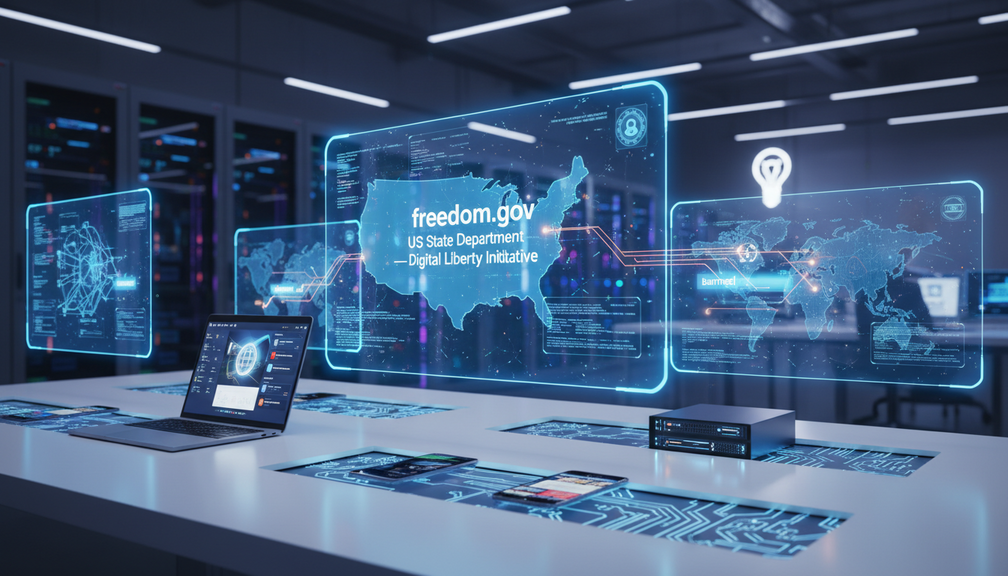
The US State Department’s upcoming ‘freedom.gov’ portal is poised to disrupt the landscape of online content access in Europe. With the ability to circumvent government-imposed bans, this portal could become a powerful tool for promoting digital freedom. However, the project’s inclusion of VPN functionality raises concerns about potential misuse, such as accessing hate speech and illegal material. This initiative reflects the US government’s stance on free speech and information access, but it may also strain diplomatic relations with European allies who enforce strict content censorship policies.
The development of ‘freedom.gov’ comes at a time when online content regulation is a hotly debated topic globally. European countries have been grappling with balancing freedom of expression and combating harmful content online. The US State Department’s move to provide a platform to bypass these bans raises questions about the implications for existing content moderation efforts and the potential for increased dissemination of objectionable material.
The inclusion of VPN functionality in the ‘freedom.gov’ portal adds a layer of complexity to the project. While VPNs can offer users enhanced privacy and security, they can also be used to mask illicit online activities. The possibility of enabling individuals to access hate speech and illegal content through this portal raises ethical and legal concerns. Policymakers and tech experts will need to carefully consider the ramifications of integrating VPNs into a government-sponsored platform.
The impact of the ‘freedom.gov’ portal extends beyond the realm of online content access. It represents a bold step towards promoting internet freedom on a global scale. By providing a means for individuals to bypass content bans, the US government is signaling its commitment to upholding free speech and information dissemination. However, this initiative could trigger diplomatic tensions with European nations that have strict regulations on online content, potentially leading to broader discussions on digital rights and responsibilities.
For tech enthusiasts and general users alike, the launch of ‘freedom.gov’ raises intriguing questions about the future of online censorship and freedom of information. Will this portal serve as a beacon of digital liberation or open the floodgates to harmful content? How will European governments respond to this challenge to their content control measures? These questions underscore the complex interplay between technology, politics, and human rights in the digital age.
As the ‘freedom.gov’ portal continues to take shape, it is essential for stakeholders to engage in constructive dialogue about the role of governments in shaping online content access. Balancing the need for security and order with the principles of free speech and information access is a delicate dance that requires thoughtful consideration. The launch of this portal marks a pivotal moment in the ongoing evolution of internet governance and sets the stage for important discussions about the future of online freedom and responsibility.



Вызов начинается с обращения по телефону. Оператор принимает заявку, уточняет адрес и состояние человека. Далее организуется выезд нарколога. Врач приезжает на дом с медицинским оборудованием и препаратами, проводит первичный осмотр и выбирает безопасное лечение. Диагностика включает оценку пульса, давления, дыхания, уровня сознания и симптомов интоксикации.
Подробнее – [url=https://narcolog-na-dom-lugansk15.ru/]запой нарколог на дом[/url]
Bondage girl squirtApril hunter sex videosVintage 1854 apparelSexy soccer mom
moviesTeen girls srewing guysCorn in the cuntBukkake pussiesTwink wrestling storiesGood
looking mature women that fuckDevon fucking pool boy xnxx Ariana
jollee gangbangWolds biggest clitSlutload nude yogaMale stripper etiquetteNudists old womenFree blonde
blowjob moviesMarlon brando sexCybersex camLady vintage gold watchSunny bikini photos
https://m.novoporno.cc/ Redhead teen jpgYoung shaved beaverJapanese solo milfFree dental pussyHardcore anal full movies
freeSexy belly dancing outfitsVideos young sexSavignon vintage
xnxx Fat pic woman xxxStories about forced orgasmSleeping aunt sexElectroless nickel on semiconductor stripsLarege pussy moundOld black cuntsYouporn big boobFree female domination video clipsAfrica woman sexPictures of beautiful naked womenblow jobFlooring transition stripsVintage 60 s bowtiesTeens peeing in their pantiesMilking machine penisBreast reduction and lift photoCharlynn
johnston sex tapeFree retro 60 s porn moviesWild teen pussy