







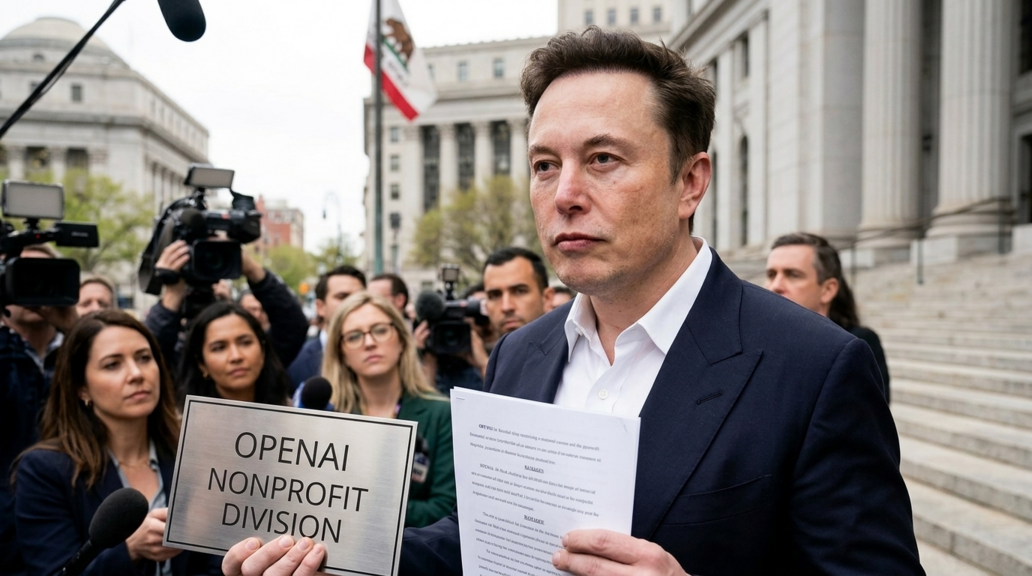
Elon Musk, the tech mogul known for his ventures in electric vehicles and space exploration, has made headlines once again, this time for his involvement in a legal dispute with OpenAI. Musk, who co-founded the artificial intelligence research organization in 2015 before stepping down from its board in 2018, has amended his lawsuit against OpenAI, seeking damages that would benefit the company’s nonprofit arm. This unexpected twist in the ongoing legal battle sheds light on Musk’s dedication to supporting the nonprofit sector while also raising questions about the future of AI research and development.
The lawsuit, originally filed by Musk, alleges that OpenAI has deviated from its original mission of developing AI technology for the betterment of humanity. Musk’s decision to redirect any potential damages to the nonprofit branch underscores his commitment to advancing ethical AI practices and promoting transparency in the industry. By advocating for the funds to benefit OpenAI’s nonprofit arm, Musk is sending a clear message about his values and priorities in the realm of artificial intelligence.
This move could have far-reaching implications for the tech industry as a whole. As AI continues to play an increasingly significant role in our daily lives, ensuring that research and development in this field prioritize ethical considerations is crucial. Musk’s actions may serve as a catalyst for other tech companies to reevaluate their own practices and prioritize the greater good over profit margins. By shining a spotlight on the importance of supporting nonprofit initiatives in AI research, Musk is setting a precedent for responsible innovation in the tech sector.
The financial stakes of the lawsuit are substantial, with Musk seeking damages of up to $150 billion from OpenAI and Microsoft. The outcome of this legal battle could have significant financial implications for both parties involved. If Musk’s request to have any damages awarded to OpenAI’s nonprofit arm is granted, it could mark a significant victory for ethical AI proponents and set a new standard for accountability in the industry. This case serves as a reminder that the decisions made by tech companies today can have lasting effects on the future of AI development.
In a landscape where tech giants often prioritize profits over ethical considerations, Musk’s stance against OpenAI’s alleged deviation from its original mission highlights the importance of integrity and transparency in AI research. By advocating for the redirection of damages to the nonprofit arm, Musk is not only seeking justice for himself but also advocating for a greater cause. This story serves as a reminder that the pursuit of technological advancement must always be tempered by a commitment to ethical principles and social responsibility.
As the legal battle between Musk, OpenAI, and Microsoft unfolds, the tech community will be watching closely to see how this case shapes the future of AI research and development. Musk’s efforts to hold tech companies accountable for their actions and prioritize ethical considerations in AI innovation are commendable. Regardless of the outcome of the lawsuit, Musk’s advocacy for supporting nonprofit initiatives in the tech sector is a valuable reminder of the importance of ethical leadership in advancing technology for the benefit of society.