







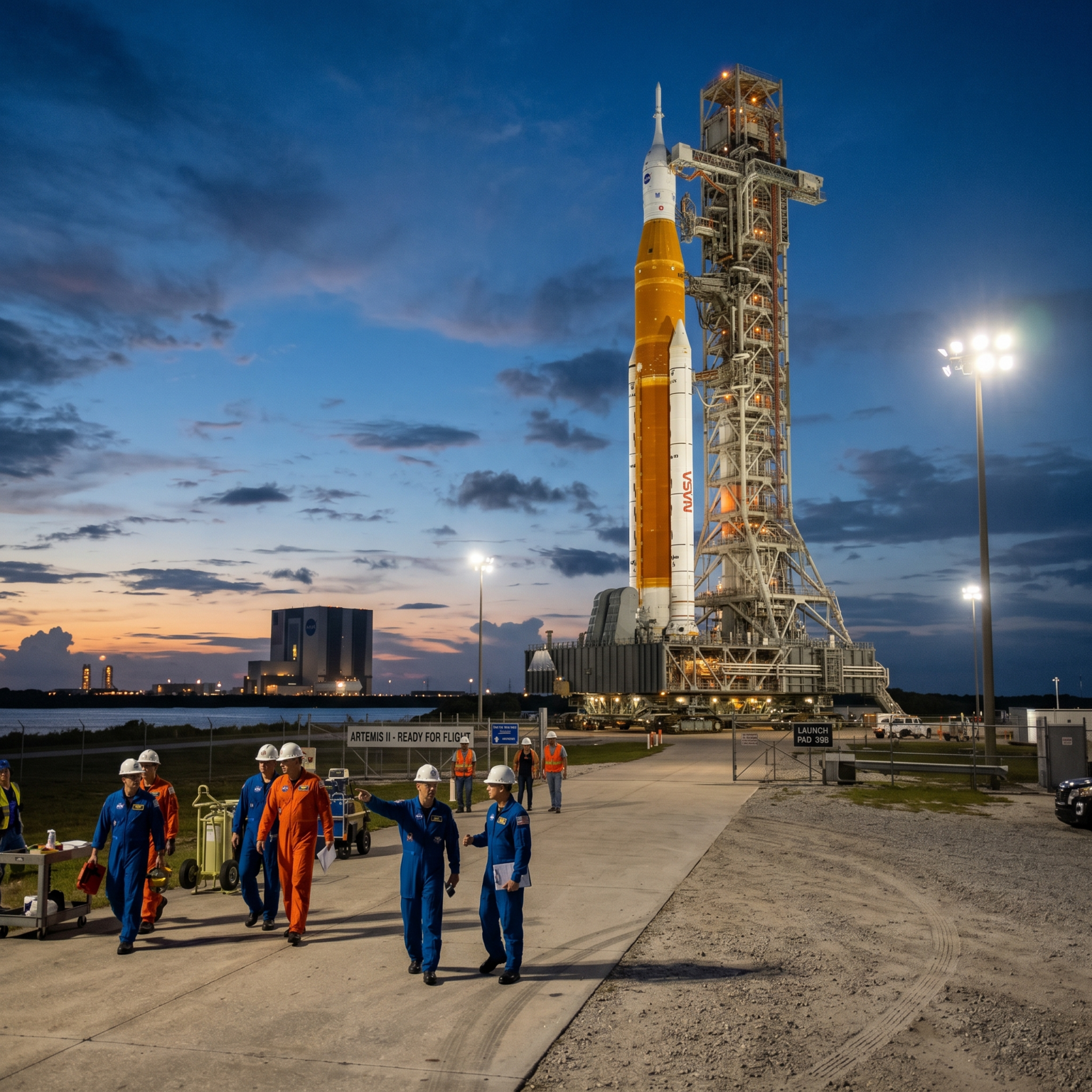
NASA’s recent Artemis II mission marked a significant milestone in the realm of space exploration, showcasing advancements in crew capsule technology that could revolutionize the safety of future manned missions. Despite encountering minor issues with the toilet system, the successful voyage to the moon and back demonstrated promising results, setting the stage for upcoming crewed expeditions. The mission’s success not only highlights NASA’s commitment to pushing the boundaries of human space exploration but also underscores the importance of prioritizing safety measures in all aspects of space travel.
One of the key takeaways from the Artemis II mission is the emphasis on improved crew capsule technology designed to enhance astronaut safety. The successful demonstration of these advancements is a testament to the rigorous testing and development processes undertaken by NASA and its partners. By addressing potential issues such as the toilet system malfunction, the mission exemplifies the importance of thorough preparation and contingency planning in space missions, where even minor technical glitches can have significant consequences. This focus on safety and reliability sets a precedent for future manned missions to the moon and beyond.
The Artemis II mission also serves as a crucial stepping stone towards NASA’s ambitious goal of establishing a sustainable human presence on the moon and eventually sending astronauts to Mars. The knowledge gained from this mission will inform and shape the planning and execution of upcoming Artemis missions, paving the way for further exploration of the cosmos. By leveraging the lessons learned from Artemis II, NASA can continue to refine and improve its technologies and procedures, ensuring the success and safety of future space missions.
Furthermore, the successful completion of the Artemis II mission has broader implications for the commercial space industry and international collaborations in space exploration. As NASA continues to partner with private companies and other space agencies, the advancements made in crew capsule technology and safety measures during this mission will be shared and integrated into collaborative efforts. This cross-sector cooperation not only accelerates innovation in space travel but also fosters a spirit of global cooperation and shared knowledge in the pursuit of scientific discovery.
For tech enthusiasts and space enthusiasts alike, the Artemis II mission represents a significant leap forward in the evolution of space exploration technology. The insights gained from this mission will undoubtedly shape the future of crewed space missions, inspiring new innovations and safety protocols that will benefit astronauts and space travelers for years to come. As NASA and its partners continue to push the boundaries of human space exploration, the legacy of Artemis II serves as a testament to the ingenuity and dedication of the scientific community in unlocking the mysteries of the universe.
In conclusion, NASA’s Artemis II mission has not only demonstrated the advancements in crew capsule technology and safety measures but also paved the way for a safer and more efficient future of space travel. By overcoming challenges and showcasing the resilience of human ingenuity, this mission sets a new standard for exploration beyond Earth’s orbit. As we look towards the next chapter of space exploration, the lessons learned from Artemis II will undoubtedly shape the trajectory of future missions and inspire generations of space explorers to reach for the stars.