








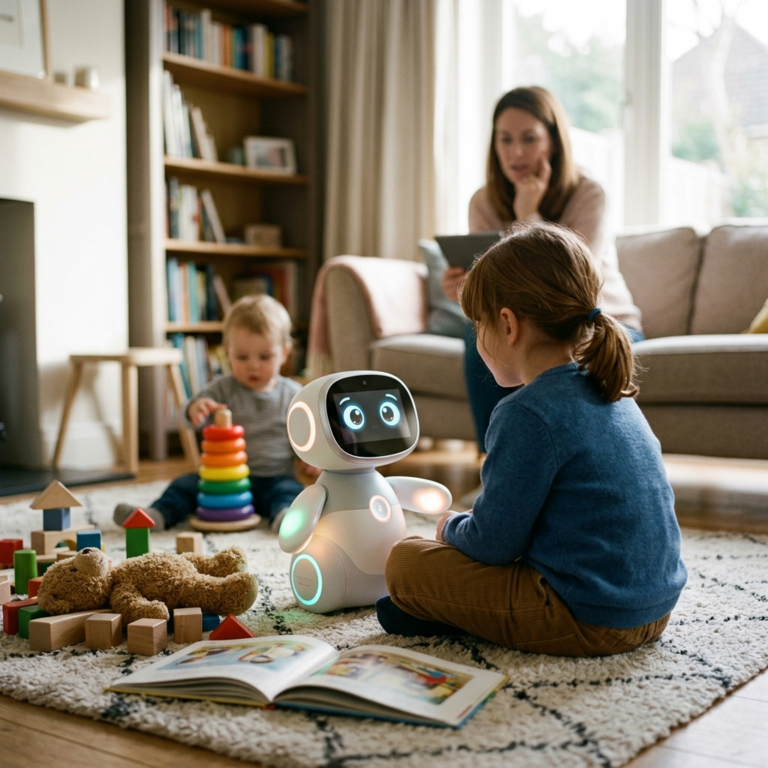
The rise of AI kids’ toys has sparked controversy in the tech industry and among lawmakers, as these connected companions for children have the potential to disrupt traditional playtime and storytelling. These smart toys, equipped with artificial intelligence capabilities, could usher in a new era of play for kids, changing how they interact with technology and engage in imaginative play. With concerns about privacy, data security, and the impact on children’s development, the debate surrounding AI kids’ toys is heating up. Parents, educators, and policymakers are grappling with the implications of these innovative devices that blur the lines between play and technology.
One of the key concerns surrounding AI kids’ toys is the impact on children’s creativity and imagination. While these smart toys offer interactive experiences and personalized content, there are worries that they could stifle children’s ability to engage in open-ended play and storytelling. By providing pre-programmed responses and narratives, AI toys may limit the scope for children to create their own narratives and explore their creativity. This shift from passive play to interactive play raises questions about the role of technology in shaping children’s play experiences and cognitive development.
Another pressing issue is the potential privacy and security risks associated with AI kids’ toys. These connected devices collect and store data about children’s interactions, preferences, and behaviors, raising concerns about data privacy and the protection of sensitive information. With reports of data breaches and unauthorized access to personal data becoming more common, the security of AI toys has become a major point of contention. Parents and policymakers are calling for stricter regulations and guidelines to safeguard children’s privacy in the age of smart toys.
The market impact of AI kids’ toys is also significant, as toy companies race to capitalize on the growing demand for smart, interactive playthings. Major players in the toy industry are investing heavily in AI technology to develop innovative products that cater to tech-savvy kids and parents. From interactive robots to educational smart toys, the market is flooded with a wide range of AI-powered devices aimed at enhancing children’s play experiences. The competition among toy manufacturers to create the next big hit in the AI toy space is driving rapid innovation and pushing the boundaries of traditional toy design.
For consumers, the rise of AI kids’ toys presents a mix of opportunities and challenges. On one hand, these smart toys offer engaging and educational experiences that can enrich children’s learning and development. With features like interactive storytelling, voice recognition, and personalized feedback, AI toys have the potential to revolutionize playtime and make learning more fun and interactive. However, the potential risks associated with data privacy, security vulnerabilities, and the impact on children’s creativity raise valid concerns for parents and educators.
In conclusion, the controversy surrounding AI kids’ toys highlights the complex interplay between technology, play, and child development. As these connected companions become more prevalent in children’s lives, it is crucial for stakeholders to address the ethical, social, and regulatory challenges they pose. Balancing the benefits of AI toys with the risks they entail requires a thoughtful and informed approach to ensure that children’s play experiences remain safe, enriching, and conducive to their overall well-being. The future of playtime and storytelling is being reshaped by AI, and navigating this new terrain will require a careful consideration of the implications for children, families, and society at large.