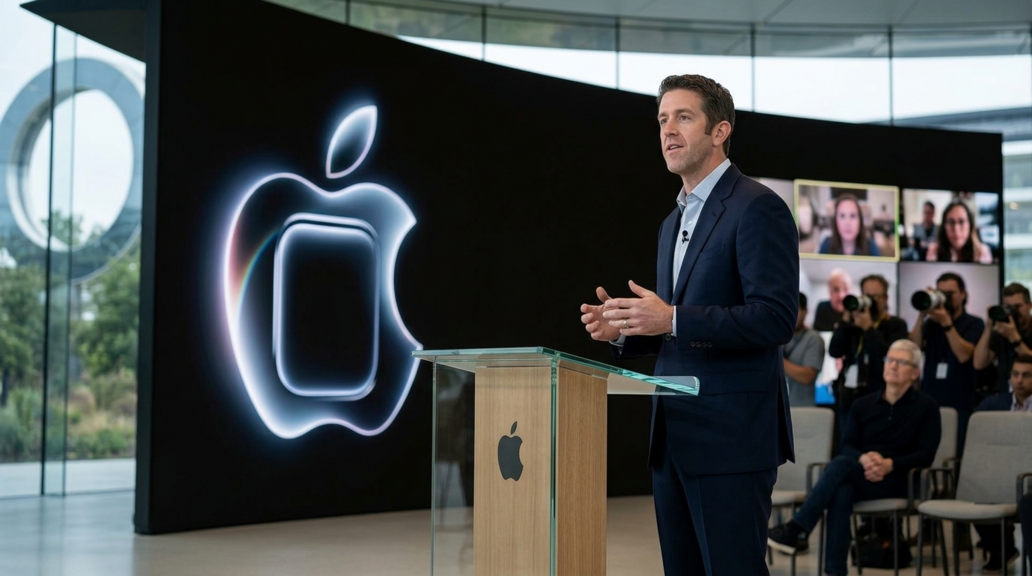











Apple’s recent decision to ban Chinese apps from ByteDance, the parent company of popular platform TikTok, has sent shockwaves through the tech industry. This move comes on the heels of TikTok’s efforts to transfer its US operations, highlighting the increasing concerns surrounding data security and privacy. The decision reflects a broader trend of heightened scrutiny over the handling of user data, particularly when it comes to companies with ties to China. As one of the largest tech companies in the world, Apple’s stance on data security sets a significant precedent for others in the industry.
While TikTok has faced its fair share of controversies regarding data privacy and Chinese government influence, Apple’s ban on ByteDance apps takes this debate to a new level. For tech enthusiasts and general users alike, this raises questions about the safety of their personal information on popular social media platforms. As concerns over data breaches and misuse continue to make headlines, consumers are becoming increasingly aware of the need for stricter regulations and oversight in the tech industry.
The ongoing geopolitical tensions between the US and China have further heightened these concerns, with companies like ByteDance caught in the crossfire. The delicate balance between national security interests and global business operations has put tech companies in a challenging position. As governments around the world grapple with how to protect user data without stifling innovation, the implications of Apple’s ban on ByteDance apps are far-reaching.
For businesses that rely on social media platforms for marketing and outreach, Apple’s decision serves as a wake-up call to reassess their data security practices. With data breaches becoming more common and consumers demanding greater transparency, companies must prioritize data protection to maintain trust and credibility. As the tech landscape continues to evolve, companies that prioritize data security will have a competitive advantage in the market.
From a societal perspective, Apple’s ban on ByteDance apps underscores the importance of safeguarding user data in an increasingly digital world. As more aspects of our lives move online, the need for robust data protection measures becomes paramount. Consumers are becoming more discerning about the platforms they use and the companies they trust with their personal information. By taking a stand on data security, Apple is sending a clear message to the tech industry and consumers alike.
Looking ahead, the tech industry is likely to see more stringent regulations and scrutiny over data security practices. Companies will need to invest in secure infrastructure and processes to protect user data and comply with evolving regulatory requirements. As the debate over data privacy and security continues to unfold, tech enthusiasts and professionals should stay informed and actively engage in discussions about the future of data protection in the digital age.
In conclusion, Apple’s ban on ByteDance’s Chinese apps reflects the growing concerns over data security and privacy in the tech industry. This decision has significant implications for consumers, businesses, and society at large, highlighting the need for greater transparency and accountability in handling user data. As the tech industry navigates these challenges, it is essential for companies to prioritize data security to build trust and credibility with their users.