









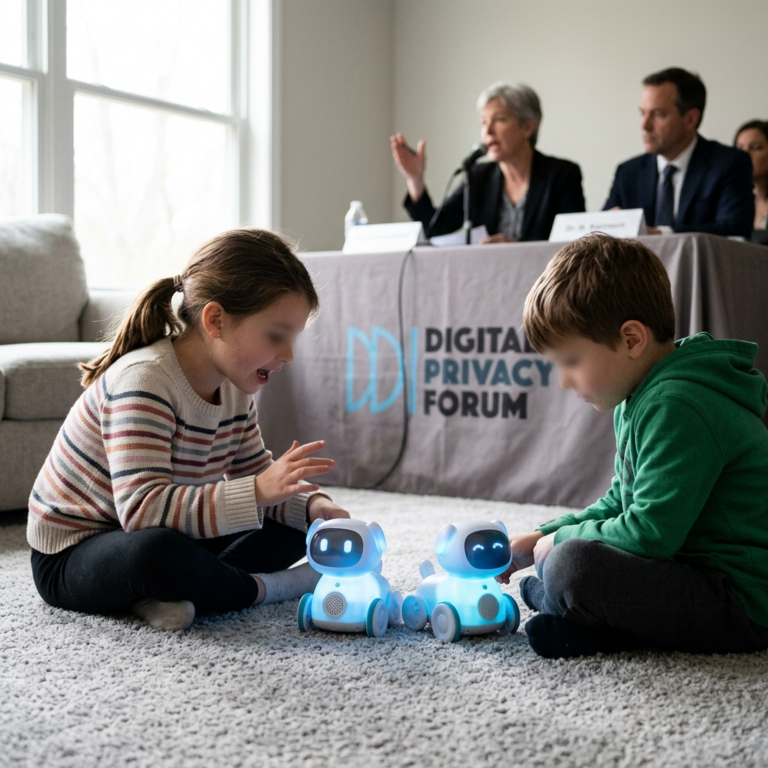
The rise of AI-powered kids’ toys has ignited a heated debate among lawmakers and parents alike. These connected companions for children have the potential to revolutionize playtime and storytelling, but they also raise significant concerns about privacy and safety. Some lawmakers are now pushing for a ban on these devices, fearing the potential risks they pose to young users. The controversy surrounding AI kids’ toys underscores the complex intersection of technology and child development, prompting a closer examination of the ethical and regulatory considerations in the tech industry.
One of the primary issues fueling the push for a ban on AI kids’ toys is the collection and storage of personal data. These devices often gather sensitive information about children’s preferences, behaviors, and interactions, raising concerns about data privacy and security. With the increasing prevalence of data breaches and online threats, parents are rightfully worried about the potential misuse of their children’s data by toy manufacturers or third parties. The call for stricter regulations on data collection and storage in AI kids’ toys reflects a growing awareness of the need to protect children’s digital privacy in an increasingly connected world.
In addition to privacy concerns, the safety implications of AI kids’ toys have also come under scrutiny. Some experts warn that these devices could pose physical and emotional risks to children, such as exposure to inappropriate content or manipulation by malicious actors. As children form emotional bonds with their AI companions, there is a need to ensure that these interactions are safe, healthy, and age-appropriate. The debate over the safety of AI kids’ toys highlights the importance of establishing clear guidelines and standards to safeguard children’s well-being in the rapidly evolving landscape of smart toys.
Moreover, the controversy surrounding AI kids’ toys raises questions about the impact of technology on traditional play and storytelling experiences. While these devices offer innovative features and interactive capabilities, some critics argue that they may hinder children’s imagination, creativity, and social skills. Concerns have been raised about the potential for AI toys to replace traditional toys and activities, limiting children’s opportunities for unstructured play and face-to-face interactions. The debate over the role of technology in shaping childhood experiences underscores the need for a balanced approach that harnesses the benefits of innovation while preserving the essence of play and storytelling.
As lawmakers consider the possibility of banning AI kids’ toys, the tech industry faces a critical juncture in balancing innovation with responsibility. The outcome of this debate could have far-reaching implications for the future of smart toys and connected devices designed for children. It is essential for stakeholders to engage in constructive dialogue and collaboration to address the complex challenges posed by AI in children’s products. By prioritizing safety, privacy, and child development, the tech industry can shape a more ethical and sustainable future for AI kids’ toys.