








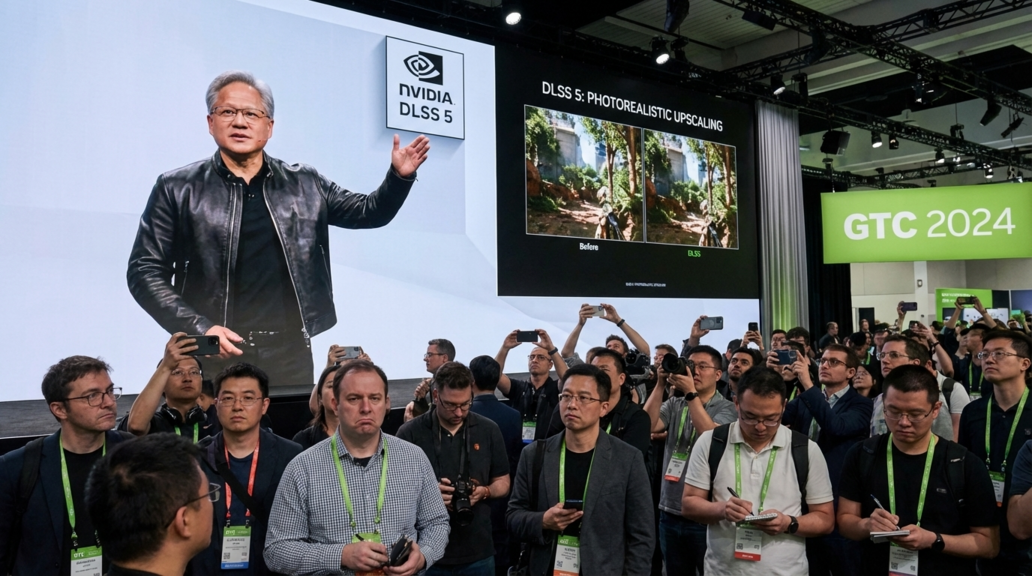
NVIDIA’s recent announcement of DLSS 5 at its GTC conference has sent shockwaves through the gaming community, sparking a heated debate among gamers and tech enthusiasts alike. DLSS, or Deep Learning Super Sampling, is a technology that uses artificial intelligence to upscale lower resolution images to higher resolutions, promising ‘photorealistic’ graphics in real-time. While the concept of improved graphics may sound like a win for gamers, the changes introduced in DLSS 5 have left many feeling dissatisfied compared to previous versions.
One of the main concerns raised by gamers is the perceived ‘AI filter’ effect that DLSS 5 seems to introduce, leading to a loss of detail and a more artificial appearance in the graphics. This backlash has led to a wave of memes and online discussions criticizing NVIDIA’s latest iteration of the technology. The controversy surrounding DLSS 5 highlights the delicate balance between technological advancements and user preferences in the gaming industry.
NVIDIA, known for its cutting-edge graphics cards and AI innovations, has positioned itself as a leader in artificial intelligence computing. The company’s GeForce RTX series, powered by technologies like DLSS, has been instrumental in delivering realistic graphics and immersive gaming experiences to users worldwide. With the launch of DLSS 5, NVIDIA aimed to push the boundaries of visual fidelity even further, but the mixed reception from gamers raises questions about the company’s market position and future sales.
The debate surrounding DLSS 5 also sheds light on broader discussions about AI-generated content and the quest for authenticity in creative works. As AI technologies continue to evolve, the line between human artistry and machine-generated content becomes increasingly blurred. NVIDIA’s emphasis on ‘photorealistic’ rendering with DLSS 5 raises important questions about the role of AI in shaping the future of digital art and visual media.
For gamers, the practical implications of DLSS 5 are significant, as the technology directly impacts the visual quality and performance of their gaming experiences. While NVIDIA’s goal with DLSS 5 was to deliver enhanced graphics and smoother gameplay, the backlash from users underscores the importance of striking the right balance between technological advancements and user preferences. Moving forward, NVIDIA may need to address the concerns raised by gamers to maintain its reputation as a trusted provider of cutting-edge gaming technology.
In conclusion, NVIDIA’s unveiling of DLSS 5 has sparked a contentious debate within the gaming community, highlighting the challenges of integrating AI technologies into creative industries. As the industry continues to explore the possibilities of AI-driven innovations, the response to DLSS 5 serves as a reminder of the importance of user feedback and the need for companies to consider the nuanced preferences of their target audience. The controversy surrounding DLSS 5 may shape the future direction of NVIDIA’s gaming technology offerings and influence the broader conversation about the intersection of AI and creativity.