








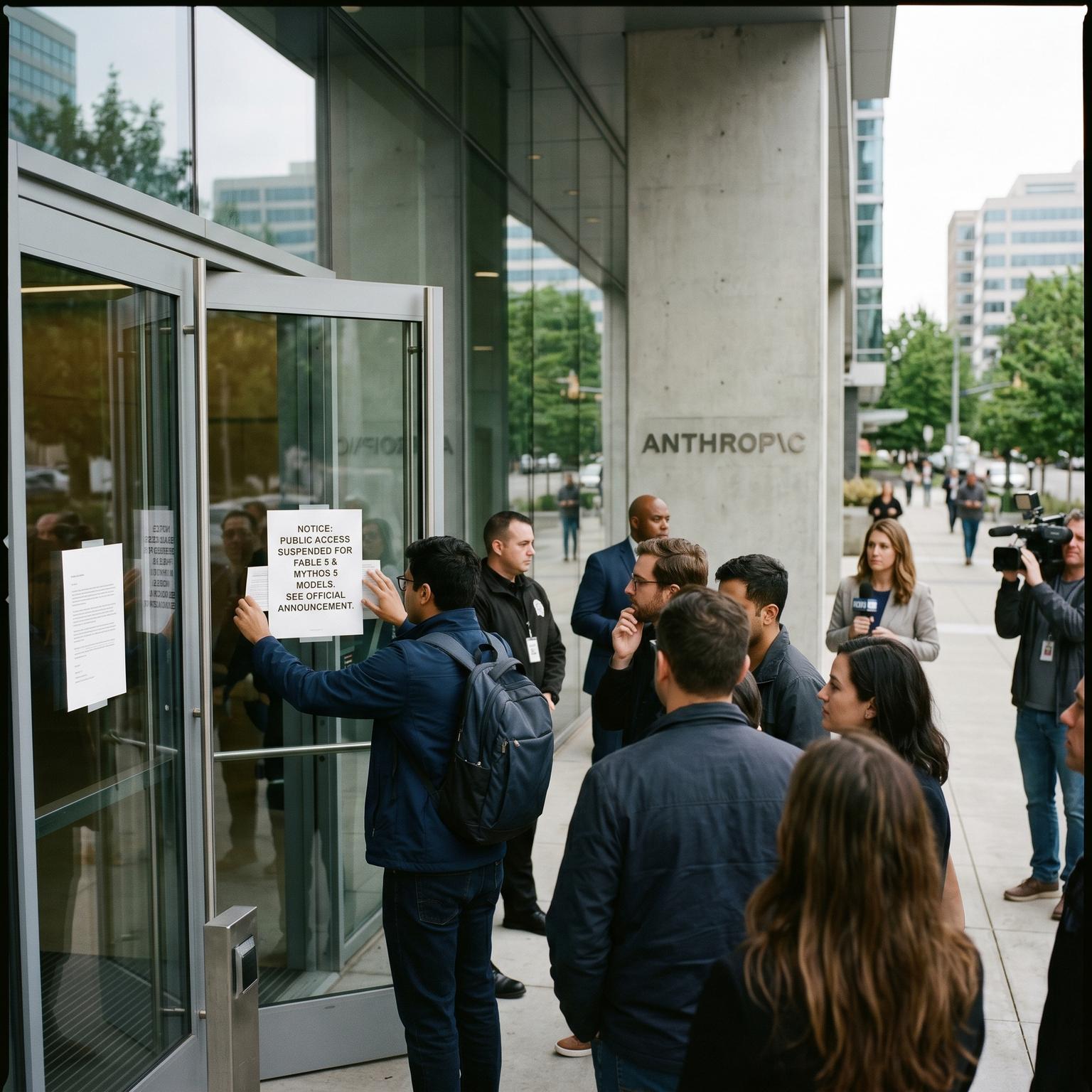
The US government has recently taken drastic measures in the tech world, forcing Anthropic to pull its latest models, Fable 5 and Mythos 5, due to national security concerns. This move came after Amazon researchers discovered a way to bypass the security measures implemented by Anthropic, raising alarms among cybersecurity experts. The implications of this directive are significant, as it highlights the potential vulnerabilities in cutting-edge AI models and the need for robust security protocols in the rapidly evolving tech landscape.
Anthropic, a prominent player in the AI industry, had described Fable 5 as a ‘Mythos-class’ model with safeguards for general use, including classifier-based protections. However, the US government’s decision to suspend access to these models for all foreign nationals underscores the critical nature of the security flaw that was uncovered. This incident serves as a stark reminder of the delicate balance between innovation and security in the realm of artificial intelligence, where a single vulnerability can have far-reaching consequences.
The suspension of Fable 5 and Mythos 5 by Anthropic raises questions about the broader implications for the tech industry and society at large. As AI continues to permeate various aspects of our lives, ensuring the integrity and security of these advanced systems becomes paramount. The US government’s intervention in this case reflects the growing concerns surrounding the potential misuse of AI technologies and the need for stringent regulatory measures to safeguard against such risks.
For businesses and consumers, the forced removal of these AI models serves as a wake-up call regarding the vulnerabilities that exist in even the most advanced technologies. Companies relying on AI solutions must reassess their security measures and ensure that adequate protections are in place to prevent unauthorized access or exploitation. Similarly, individuals using AI-powered services should remain vigilant about potential security threats and be aware of the risks associated with these technologies.
Looking ahead, the incident involving Anthropic and its suspended models underscores the ongoing challenges faced by tech companies in balancing innovation with security. As AI continues to evolve and permeate various industries, the need for robust security frameworks and stringent oversight becomes increasingly critical. The fallout from this directive serves as a cautionary tale for both tech companies and regulatory bodies, highlighting the complex interplay between technological advancement and national security concerns.
In conclusion, the US government’s directive to suspend access to Anthropic’s Fable 5 and Mythos 5 models sends a clear message about the importance of prioritizing security in the development and deployment of AI technologies. This incident serves as a sobering reminder of the potential risks associated with advanced AI systems and the need for proactive measures to mitigate these threats. As the tech industry continues to push the boundaries of innovation, ensuring the security and integrity of these technologies must remain a top priority for all stakeholders involved.