









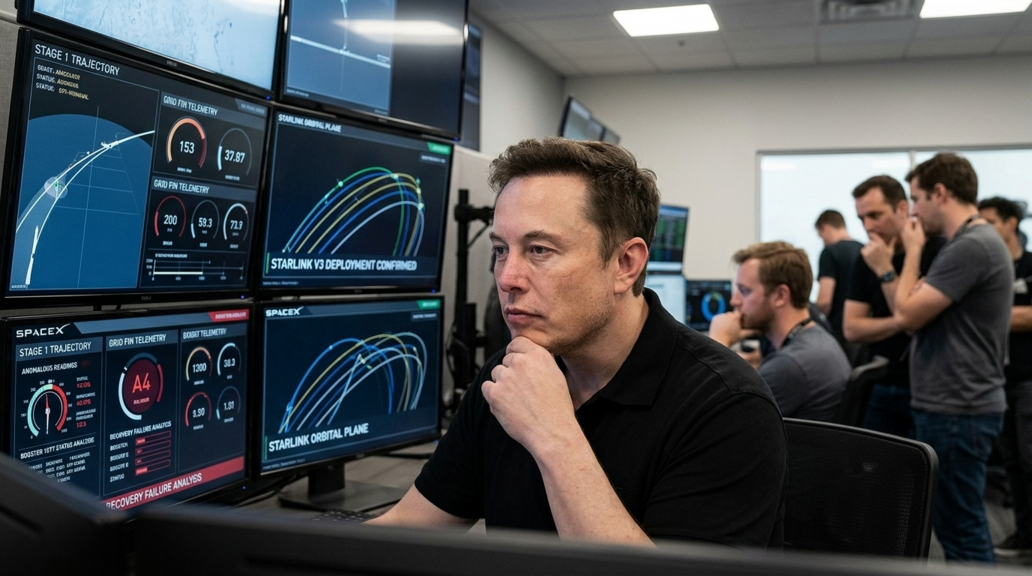
SpaceX, the pioneering aerospace company founded by Elon Musk, recently faced a setback with a booster failure despite successfully launching their new V3 Starlink satellites. The company, known for its ambitious goals and innovative technology, continues to push the boundaries of space exploration and satellite deployment. While SpaceX has had numerous successes in the past, this latest incident highlights the challenges and risks associated with such cutting-edge endeavors. The booster failure serves as a reminder of the complexities involved in space travel and the importance of continuous improvement and innovation in the aerospace industry.
The new V3 Starlink satellites, part of SpaceX’s ambitious plan to provide global internet coverage, represent a significant advancement in satellite technology. These satellites are designed to improve internet connectivity in remote and underserved areas, bridging the digital divide and enabling more people around the world to access high-speed internet. Despite the booster failure, the successful launch of the V3 Starlink satellites demonstrates SpaceX’s commitment to expanding their satellite constellation and achieving their goal of revolutionizing internet access on a global scale. This technological milestone has the potential to have a profound impact on society, empowering individuals and communities with greater connectivity and opportunities.
SpaceX’s booster failure, while disappointing, underscores the inherent risks and challenges of space exploration. The company has a history of pushing the boundaries of what is possible, with a track record of successful launches and groundbreaking achievements. However, setbacks like this serve as a reality check, reminding us of the unpredictable nature of space travel and the need for ongoing innovation and resilience in the face of adversity. SpaceX’s ability to learn from failures, adapt to challenges, and continue pushing forward is a testament to their dedication to advancing the frontier of space technology.
The booster failure also raises questions about the reliability and safety of SpaceX’s launch vehicles. As the company continues to expand its satellite constellation and pursue ambitious projects like the Starship program, ensuring the safety and success of their missions becomes increasingly paramount. The incident serves as a valuable learning opportunity for SpaceX, prompting them to review and improve their processes, procedures, and technology to minimize the risk of future failures. This dedication to continuous improvement is essential for maintaining the trust of customers, investors, and the broader space industry.
In the competitive landscape of aerospace technology, setbacks like the booster failure can have broader implications for SpaceX’s market position and reputation. While the company has a strong track record of innovation and success, incidents like this can impact their standing in the industry and raise concerns among stakeholders. SpaceX’s ability to address and overcome challenges, communicate transparently with the public, and deliver on their promises will be crucial in maintaining their leadership position in the market. The booster failure serves as a test of SpaceX’s resilience, adaptability, and commitment to excellence in the face of adversity.
Looking ahead, the lessons learned from this booster failure will undoubtedly inform SpaceX’s future endeavors and shape the trajectory of their space exploration efforts. As the company continues to pursue its ambitious goals and push the boundaries of technology, it will be essential for SpaceX to prioritize safety, reliability, and innovation in all aspects of their operations. The booster failure, while a setback, can ultimately serve as a catalyst for growth and improvement, strengthening SpaceX’s resolve and determination to overcome challenges and achieve their long-term vision of advancing humanity’s presence in space.