









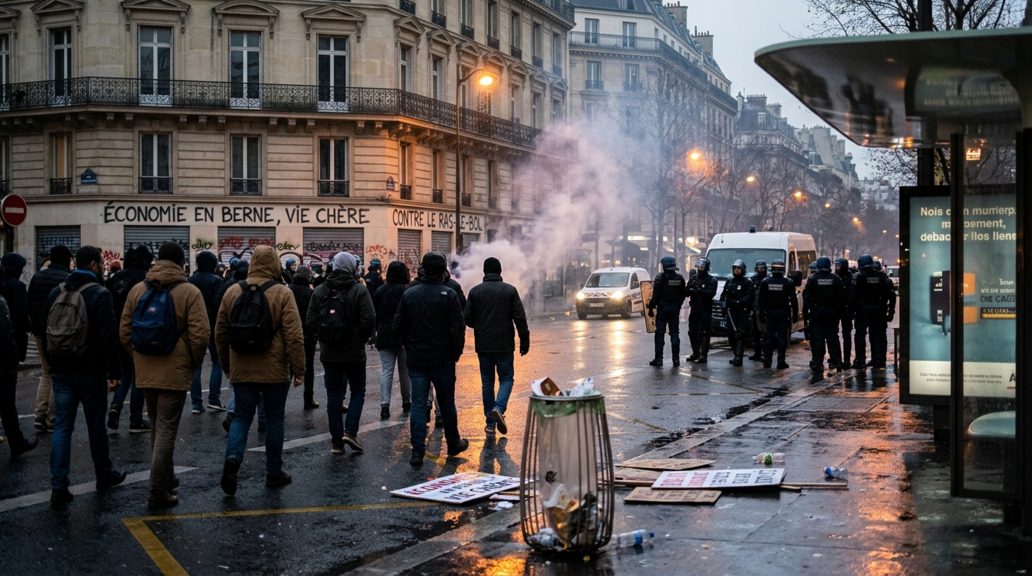
France’s latest street unrest is more than a contest over budgets; it is a warning about what happens when a state promises more than its economy can sustain. The country’s recurring protests, including the 2018 revolt against fuel taxes, show how quickly policy made in distant offices can collide with household reality. Anger does not excuse violence, but neither should it be dismissed as a failure of public understanding. When citizens feel squeezed by both prices and bureaucracy, governments should examine their own choices before demanding still greater obedience.
France’s predicament reflects a wider European habit: treating public spending as a substitute for growth and regulation as a substitute for trust. High debt and persistent deficits narrow the choices available to future governments, while interest payments divert resources from schools, transport and security. A state can borrow to meet an emergency, but borrowing cannot indefinitely conceal weak productivity or make every promise affordable. The bill eventually arrives through higher taxes, reduced services, inflationary pressure, or an economy that struggles to create rewarding work.
The contrast with a dynamic market economy is not abstract. A small manufacturer deciding whether to hire, a farmer investing in machinery, or a family opening a café needs predictable rules and room to act, not another maze of permits. Competition rewards firms that serve customers well and exposes those that waste resources; that discipline is imperfect, but bureaucratic direction is no wiser simply because it is centralised. Lower levies on work and investment, alongside serious efforts to reduce red tape, can let enterprise generate the wealth on which durable public services depend.
France’s fuel-tax protests also contain a lesson about fairness. Climate and transport policy designed around metropolitan assumptions can punish people who have no practical alternative to driving, especially in rural communities. A government that wants cleaner energy should encourage innovation and choice, not make ordinary mobility a luxury while protecting its own spending habits. The legitimacy of reform depends on whether citizens can see a credible route to adaptation, rather than a bill imposed first and an explanation offered afterwards.
There is a moral dimension to this argument, too. Families, voluntary associations and local communities give people belonging and support in ways that a distant ministry cannot replicate. Public assistance has a proper role for those in genuine need, yet a system that traps people outside work or treats dependence as permanent fails both the taxpayer and the recipient. Conservative policy should strengthen the conditions for self-reliance: sound schools, stable families, personal accountability and laws applied consistently, with help targeted at those who truly need it.
Britain should take the warning seriously without pretending that leaving the European Union automatically solved the problems of government. Brexit restored national authority over important choices; the test is whether that sovereignty is used to open markets, welcome productive investment and make rules proportionate, rather than to recreate the same habits at home. Ministers must be willing to challenge entrenched interests and measure policy by outcomes, not announcements. Independence is meaningful when it gives citizens and businesses more scope to decide, build and trade.
The answer to unrest is neither contempt for protesters nor surrender to every demand made in the street. It is a government candid about constraints, disciplined with public money and modest about what administration can achieve. France can renew its social contract by rewarding work, backing enterprise and asking the state to do fewer things well instead of promising everything badly. Prosperity is not an edict from Paris; it grows when people are free to make plans, take risks and leave a stronger country to their children.