





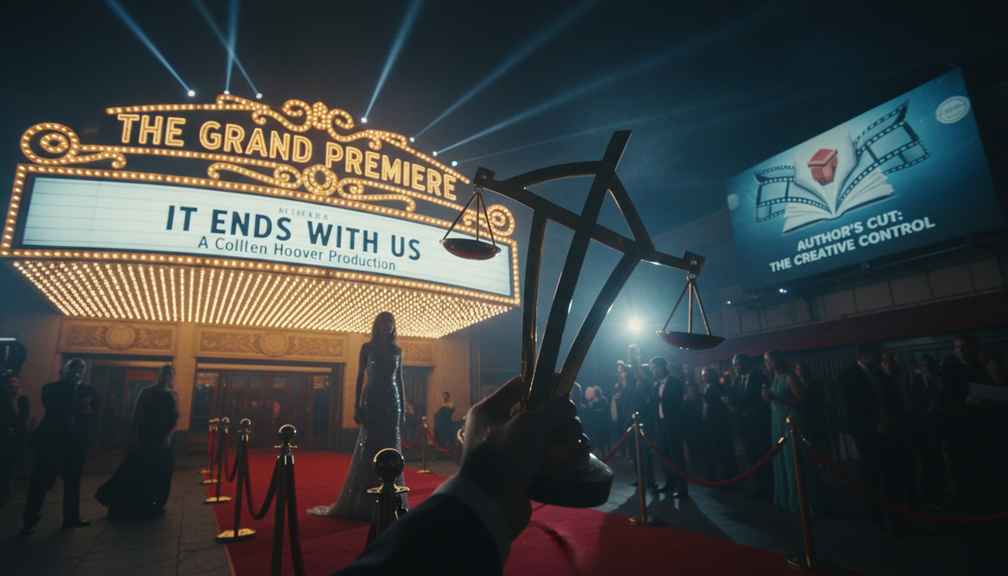
Bestselling author Colleen Hoover has found herself embroiled in a legal battle over the film adaptation of her novel It Ends With Us, sparking a conversation about author rights in the publishing and entertainment industries. Hoover’s public statement on the dispute has shed light on the challenges authors face in maintaining creative control when their work is adapted for the screen. The author’s decision to speak out has ignited discussions on intellectual property rights and the complex relationship between authors and film producers.
Hoover’s novel, It Ends With Us, has resonated with readers worldwide since its release, tackling sensitive topics with compassion and depth. The book’s powerful message about love, loss, and resilience has earned it a dedicated fan base and critical acclaim. The story follows a young woman named Lily as she navigates a complicated relationship with a man from her past, addressing themes of domestic violence and personal growth.
The legal drama surrounding the film adaptation of It Ends With Us has brought attention to the challenges authors face when their work is adapted for the screen. Hoover’s public statement on the dispute has highlighted the importance of author rights and the need for greater transparency in the entertainment industry. The author’s decision to take a stand has resonated with fans and fellow authors alike, sparking a larger conversation about creative control and the value of artistic integrity.
The relationship between authors and film producers is a complex one, with authors often facing pressure to compromise their vision to appeal to a wider audience. Hoover’s decision to speak out against the production company behind the film adaptation of her novel reflects a growing trend among authors who are seeking to protect their creative rights in an increasingly commercialized industry. The author’s willingness to confront the challenges she has faced in the adaptation process has inspired fans and fellow authors to advocate for greater respect for authorial vision in the entertainment industry.
The legal dispute over the film adaptation of It Ends With Us has raised important questions about intellectual property rights and the responsibilities of film producers to authors. Hoover’s decision to share her experience with fans and the public has highlighted the need for greater transparency and accountability in the entertainment industry. The author’s willingness to speak out has sparked a larger conversation about the power dynamics at play in the adaptation process and the importance of upholding author rights in a rapidly changing media landscape.
As fans of Colleen Hoover’s work continue to show their support for the author during this challenging time, the broader entertainment industry is taking note of the issues raised by the legal drama surrounding the film adaptation of It Ends With Us. The story serves as a reminder of the complex relationship between authors and film producers, and the challenges authors face in maintaining creative control over their work. Hoover’s decision to take a stand has inspired fans and industry professionals alike to reflect on the value of authorial vision and the need for greater respect for creative rights in the entertainment industry.
In conclusion, Colleen Hoover’s legal battle over the film adaptation of It Ends With Us has sparked a vital conversation about author rights in the publishing and entertainment industries. The author’s decision to speak out against the production company behind the adaptation reflects a larger trend among authors who are seeking to protect their creative vision in an industry that often prioritizes commercial interests. As fans and industry professionals continue to engage with this story, the broader entertainment landscape is being challenged to reexamine its practices and uphold the rights of authors in the creative process.