




Justin Seven-Seven’s 77th-minute strike for West Brom Under-21s offered football a gift of comic precision: a player whose name sounds like a score finding the net in the minute stamped with it. A late goal can be a small event in a development match, yet this one instantly escaped the routine of academy football and became a neat little puzzle for supporters. The question it revived is irresistible: which players have scored in the minute that matches their surname, turning a name into a timepiece and coincidence into folklore? The answer reaches back beyond the Baggies’ youth team, toward Didier Six and a footballing oddity whose charm lies not in tactical complexity but in the sport’s knack for producing stories that feel written by fate.
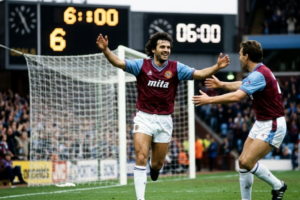
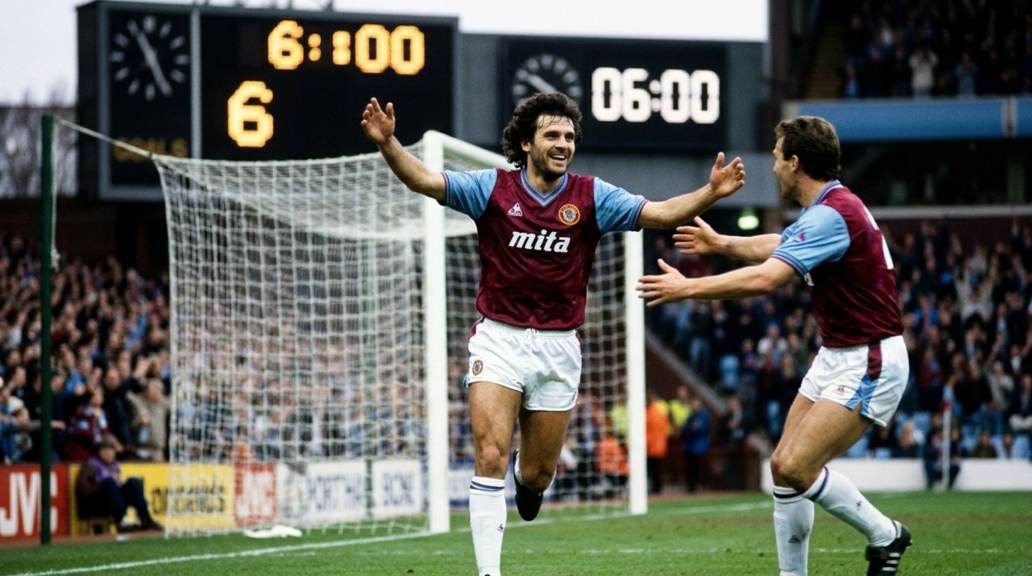
Didier Six’s name makes the game especially satisfying: the French international was a winger, and “Six” seems almost to demand a sixth-minute finish. Across his career, early goals bearing that precise timestamp have been recalled as the archetype of the name-and-minute match, though the wider list is less a formal record than a treasure hunt through scorelines. The point is not that every such strike changed a season; it is that a player’s identity and a match clock can briefly align with almost theatrical neatness. Six’s place in the tale gives Seven-Seven’s moment a predecessor, linking a modern academy clip to the long memory of football trivia.
That link is what makes the episode more than a pun. A goal in the 77th minute is late enough to stir urgency, when tired legs and fraying concentration can turn a match, but not so late that the contest is necessarily over. For a young player, scoring at that stage brings the ordinary thrill of a goal together with an extraordinary detail that fans can repeat in one breath. Seven-Seven did not need a trophy or a packed stadium to create a moment people wanted to share; the clock supplied its own headline.
Academy football rarely gets the same attention as the senior game, where every goal is framed by league tables, transfer fees and the pressure of a season. Yet under-21 matches are a vital proving ground, giving developing players a chance to test themselves against older, stronger opponents and make a case for the next step. West Brom’s young side competes in that demanding environment while carrying the expectations of a club whose supporters know how much a breakthrough can matter. In that context, Seven-Seven’s strike was both a contribution to the match and an unexpected introduction to a wider audience.
The beauty of these number-matching goals is their democratic nature. A superstar’s finish can be remembered for its setting, technique or consequences; a perfectly timed surname can make a lesser-known player memorable before anyone has studied the build-up. That does not diminish the skill involved: the ball still has to be won, the chance recognised and the finish delivered under pressure. It simply adds a second layer, one that turns a familiar sporting act into a miniature piece of theatre.
Football has always been rich in such coincidences, from shirts and scorelines to dates, records and names that seem to anticipate events. Supporters collect them because the game is too unpredictable to be reduced to spreadsheets, even as data increasingly explains movement, chance quality and performance. A clock reading 77 beside the name Seven-Seven is not evidence of destiny, but it feels like a wink from a sport that rewards attention. The pleasure comes from noticing the detail and passing it along, not from pretending it explains the result.
There is also a human quality in the way these moments travel. The scorer may be focused on the immediate demands of the match, while teammates celebrate the goal and coaches assess what it means for the performance; only afterward does the coincidence take over. For Seven-Seven, the strike can become a calling card, something friends and fans remember even if the full match fades. For Six, the association has endured across generations, showing how a simple alignment can outlast the particulars of any one fixture.
That is why the question sparked by West Brom’s teenager has such lasting appeal: it invites fans to search old reports, revisit highlights and argue over what qualifies as a true match. Does the clock need to show exactly the matching minute, and should stoppage time count? There may never be a definitive table, and perhaps that is part of the fun; each discovery adds another entry to football’s informal archive. Seven-Seven’s 77th-minute finish may not settle the debate, but it has delivered its perfect opening line: sometimes, the most memorable thing about a goal is when it arrives—and the name on the scoresheet.