







A £7 million study has put an audacious question before northern England: could the region one day host the Olympic Games? For now, the project is preliminary, intended to test possibilities rather than promise a bid, but even that first step has changed the conversation. Across towns better known for football, industry and stubborn local rivalries, fans can picture the world’s biggest sporting stage arriving on familiar streets. The dream is suddenly less abstract and far closer.
The proposed £7 million review is an investigation, not a guarantee, application or promise that athletes will compete in the North. Its task is to examine whether a northern bid could be credible, what venues and transport would be needed, and how the costs might be justified. That distinction matters: Olympic ambition can inspire a region, but the bill, disruption and long-term use of facilities will face scrutiny. The starting gun has sounded only for a debate.
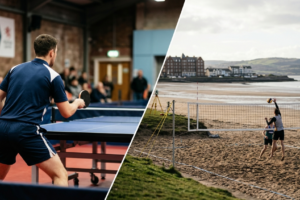
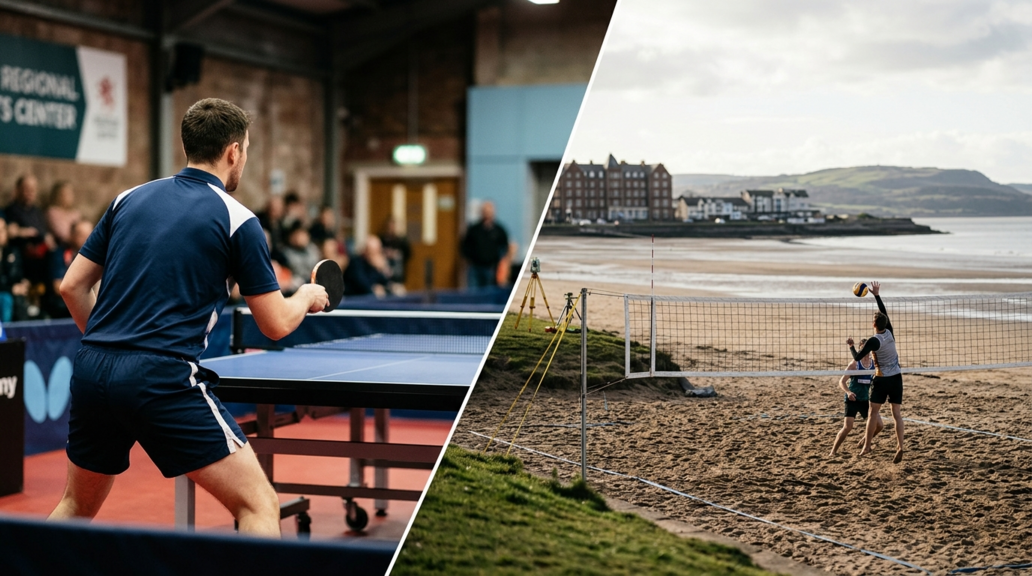
Already, the imagined map is giving the proposal its sporting pull. Beach volleyball beside Morecambe Bay offers a vivid coastal spectacle, while rowing on the Tyne would connect competition with a river woven into northern life. Teesside table tennis, meanwhile, suggests that the Games need not belong only to postcard settings or powerhouses. These are possibilities, not confirmed venues, yet they let supporters see Olympic sport not as a broadcast but as an event on their doorstep.
That local connection could be powerful for young athletes who rarely imagine Olympic pathways running through their own communities. A major event can bring coaching, attention, new facilities and a burst of pride that outlasts the closing ceremony. But a successful bid would have to show how those benefits reach ordinary residents rather than remain in glossy plans. The promise is not simply medals; it is access to sport and places where champions can begin their journeys.
That promise would be tested against a familiar Olympic question: who pays, and what remains when the crowds leave? A £7 million study is significant public investment in planning, but it is not the Games budget, and no final cost or hosting decision has been established. Transport links, accommodation, security and venue upgrades would all demand answers. Supporters will want a credible legacy; skeptics will ask whether scarce money could do more elsewhere for local communities over time.
For fans, the appeal is not merely ceremonial pageantry. The Olympics bring sports beyond football into a shared spotlight and give local crowds the rare chance to watch world-class athletes compete at home. A northern setting could broaden the Games’ image and challenge assumptions about where Britain’s biggest sporting moments belong. Yet the same scale that makes the Olympics thrilling also makes careful planning and honest public discussion essential before any bid moves beyond possibility on the stage.
Nothing in the study guarantees a northern Olympics, and years of work would separate this conversation from any opening ceremony. But the familiar names of Morecambe Bay, the Tyne and Teesside have already made an abstract bid feel tangible. If planners can match that imagination with affordability, accessibility and lasting community value, the proposal could become more than a headline. For now, northern fans have something to debate, defend or doubt: a possibility taking shape before eyes.