







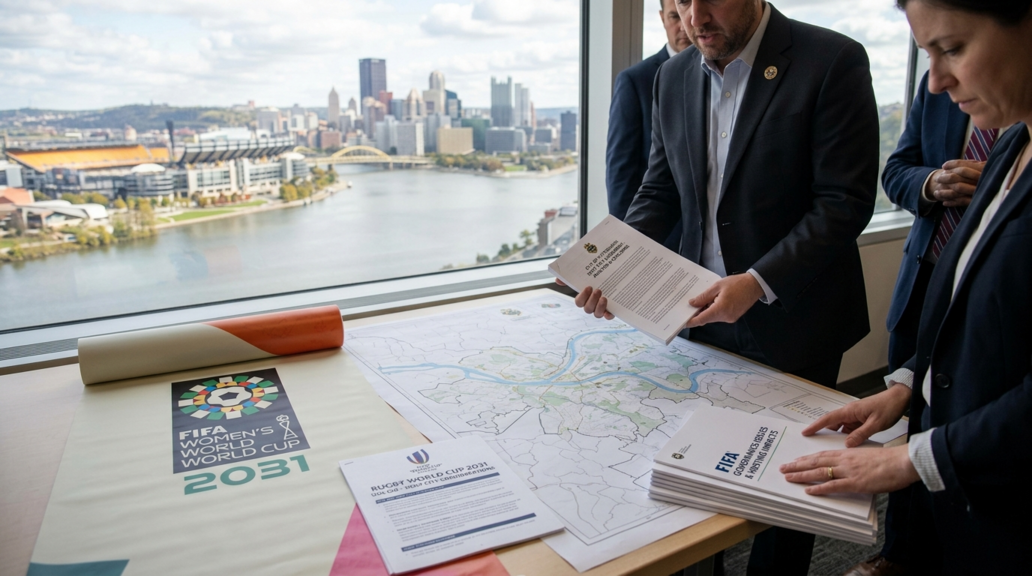
In a surprising turn of events, several American cities are contemplating withdrawing from hosting 2031 Women’s World Cup games over concerns surrounding Fifa’s recent actions. Among these cities are major hubs like Chicago and Pittsburgh, whose potential withdrawal could have significant implications for the future of women’s soccer in the US. The decision to possibly pull out of hosting duties raises questions about the integrity of the tournament and the overall impact on the sport’s growth.
The uncertainty surrounding the participation of these US host cities has sparked widespread debate among sports enthusiasts. Fans of women’s soccer are concerned about the potential fallout from the withdrawal, fearing that it could dampen the excitement and global appeal of the Women’s World Cup. The tournament has traditionally been a platform for showcasing the talent and competitiveness of female athletes, and any disruptions to its organization could hinder the progress made in promoting gender equality in sports.
While the reasons behind the cities’ contemplation to withdraw have not been explicitly stated, it is clear that there are underlying issues that need to be addressed. Whether it is related to financial concerns, logistical challenges, or dissatisfaction with Fifa’s management, the potential pullout has raised red flags about the governing body’s handling of major sporting events. Fans are eager to see how this situation unfolds and what steps will be taken to ensure the success of the 2031 Women’s World Cup.
The impact of these cities potentially focusing on hosting matches for the men’s 2031 Rugby World Cup instead cannot be overlooked. While rugby has its own passionate fan base, the decision to prioritize the men’s tournament over the women’s event could signal a setback for women’s soccer in the US. It underscores the ongoing struggle for gender equality in sports and highlights the challenges that female athletes continue to face in gaining equal recognition and support.
As discussions among US host cities continue, the broader implications of their potential withdrawal are becoming more apparent. The Women’s World Cup has become a symbol of empowerment and inspiration for female athletes worldwide, and any disruption to its organization could have lasting effects on the sport’s growth and development. Sports fans are watching closely to see how this situation will be resolved and what actions will be taken to ensure the success and integrity of the tournament.
In the midst of these uncertainties, the importance of supporting women’s sports and providing equal opportunities for female athletes cannot be overstated. The potential withdrawal of US host cities from the 2031 Women’s World Cup serves as a reminder of the challenges that women’s sports continue to face in gaining recognition and respect. It is a call to action for sports fans, governing bodies, and society as a whole to prioritize gender equality and support the growth of women’s athletics on a global scale.