








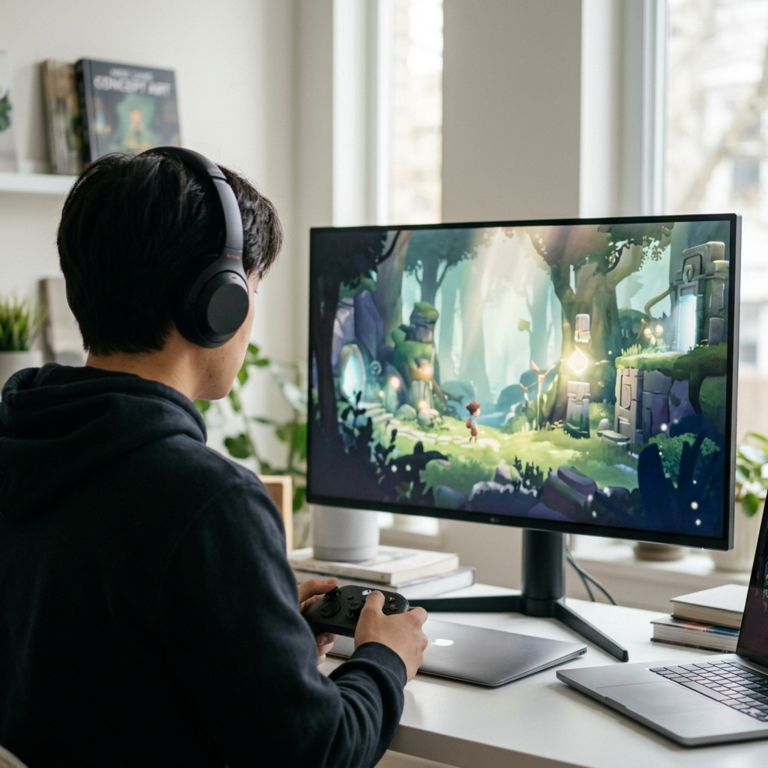
In the world of indie games, a new wave of titles is emerging that goes beyond entertainment to tackle mental health awareness and personal growth. Games like Myst and Riven remakes, along with unique titles like Bubsy, are providing players with an opportunity to engage with mental health challenges and learn from failures in a positive way. These games offer a safe space for players to explore their emotions, confront difficult situations, and ultimately grow as individuals. By incorporating themes of mental health and personal growth, indie game developers are pushing boundaries and creating experiences that resonate with players on a deeper level.
Indie games have always been known for their creativity and innovation, and this new focus on mental health awareness is a testament to the industry’s willingness to address important societal issues. As more players turn to games as a form of escapism and self-expression, the impact of these games on mental health cannot be overlooked. By encouraging open conversations about mental health and providing players with a platform to explore their thoughts and feelings, indie games are playing a crucial role in promoting mental well-being.
The shift towards creating games that inspire personal growth and self-reflection is a positive development in the gaming industry. Games like Celeste, which was created by a small team and explores themes of mental health, are paving the way for a new genre of games that prioritize emotional depth and meaningful storytelling. These games offer a refreshing alternative to the traditional blockbuster titles that focus solely on entertainment value, giving players a chance to engage with meaningful content that resonates with their own experiences.
As the gaming landscape continues to evolve, it is essential for developers to consider the impact of their games on players’ mental health. By creating games that promote mental health awareness and personal growth, developers are not only catering to a growing demand for meaningful gaming experiences but also contributing to a larger conversation about mental well-being. These games have the potential to educate and empower players, offering them a unique opportunity to reflect on their own emotions and experiences in a safe and supportive environment.
In a society where mental health issues are still stigmatized in many communities, indie games are breaking barriers and challenging misconceptions. By addressing mental health in a sensitive and thoughtful way, these games are helping to reduce the stigma surrounding mental illness and promote understanding and empathy. As more players engage with these games and share their experiences, the impact of indie games on mental health awareness is likely to grow, sparking important conversations and fostering positive change.
Overall, the emergence of indie games that focus on mental health awareness and personal growth is a significant development in the gaming industry. These games are not only pushing boundaries and exploring new themes but also providing players with a valuable tool for self-reflection and emotional growth. As more developers embrace this trend and create games that prioritize mental well-being, the potential for positive impact on players’ lives is immense. Indie games have the power to inspire, educate, and empower players in ways that traditional games cannot, making them a valuable addition to the gaming landscape.