









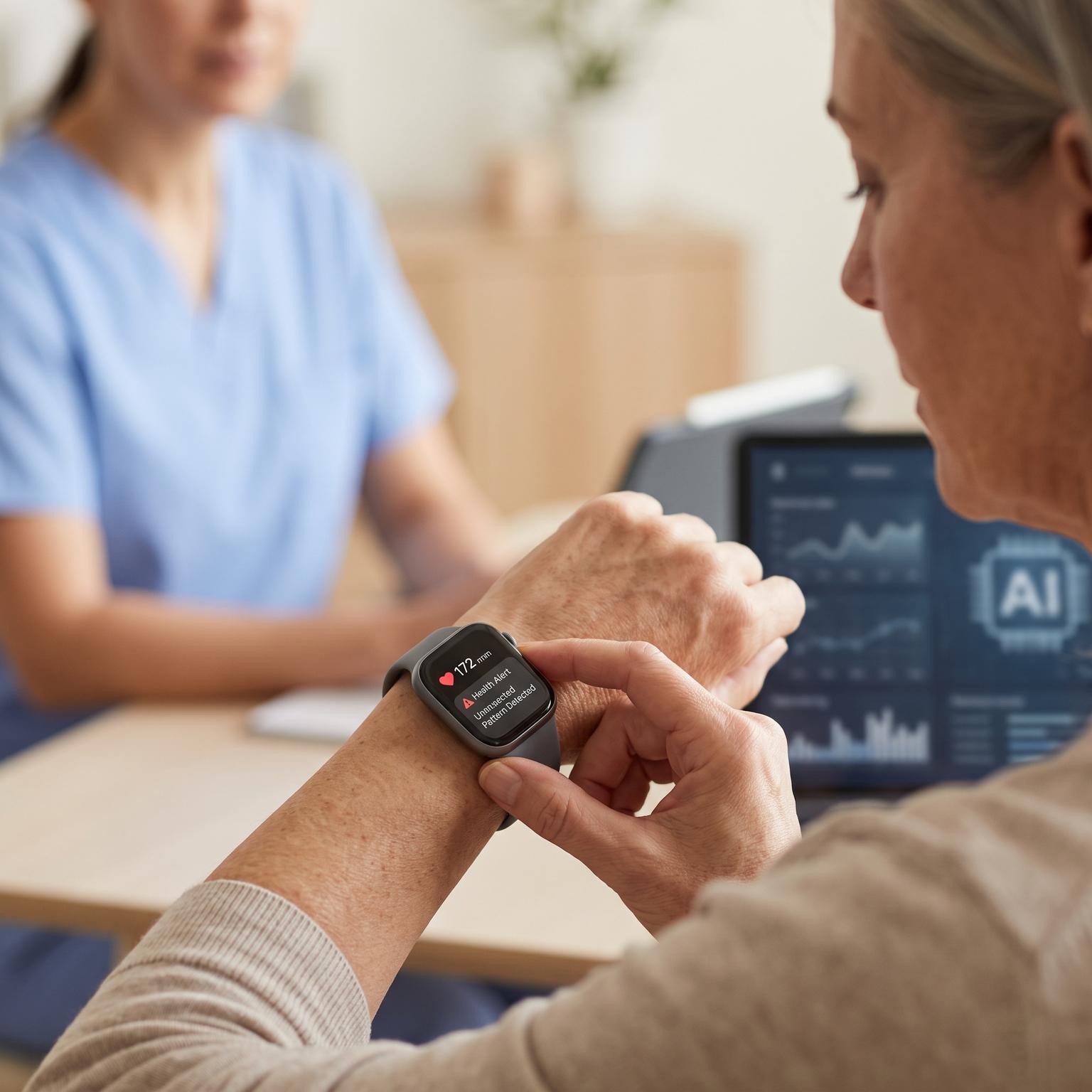
In a groundbreaking fusion of wearable technology and artificial intelligence, smartwatches are now equipped to detect anomalies in users’ body patterns, potentially alerting them to early signs of illness. This innovative approach to health monitoring has the power to revolutionize the way we approach healthcare. By continuously tracking vital signs and behavior, these devices can provide invaluable insights into our well-being. The integration of AI algorithms enables these wearables to analyze the data collected and identify deviations from normal patterns.
One of the key advantages of this technology is its ability to offer proactive health monitoring, allowing individuals to take control of their well-being and seek medical assistance at the first sign of trouble. Early detection of health issues can significantly improve outcomes and reduce the burden on healthcare systems. By leveraging the power of wearables and AI, users can stay ahead of potential health problems and take preventive measures to maintain their quality of life.
The implications of this technology extend far beyond individual users. Healthcare providers can benefit from access to real-time data that offers a comprehensive picture of a patient’s health status. This data-driven approach enables more personalized and targeted interventions, leading to better treatment outcomes. Additionally, remote patient monitoring becomes more feasible, allowing for continuous care and early intervention, especially for individuals with chronic conditions.
The convergence of wearables and AI in early illness detection has the potential to transform the healthcare landscape by shifting the focus from reactive to proactive care. By harnessing the power of data analytics and machine learning, healthcare professionals can identify trends and patterns that may indicate underlying health issues. This shift towards preventive healthcare can lead to significant cost savings and improved patient outcomes.
As the technology continues to evolve, we can expect to see even more sophisticated algorithms and sensors that enhance the accuracy and reliability of early illness detection. This continuous innovation in wearable technology opens up new possibilities for monitoring a wide range of health conditions, from cardiovascular issues to neurological disorders. The integration of wearables and AI is paving the way for a future where healthcare is more personalized, predictive, and preventive.
In conclusion, the combination of wearables and AI in early illness detection represents a significant step forward in healthcare innovation. By empowering individuals to monitor their health in real-time and enabling healthcare providers to deliver more personalized care, this technology has the potential to revolutionize the way we approach health and wellness. As we continue to unlock the full potential of wearables and AI in healthcare, we can look forward to a future where early detection and proactive intervention are the norm, leading to better health outcomes for all.