










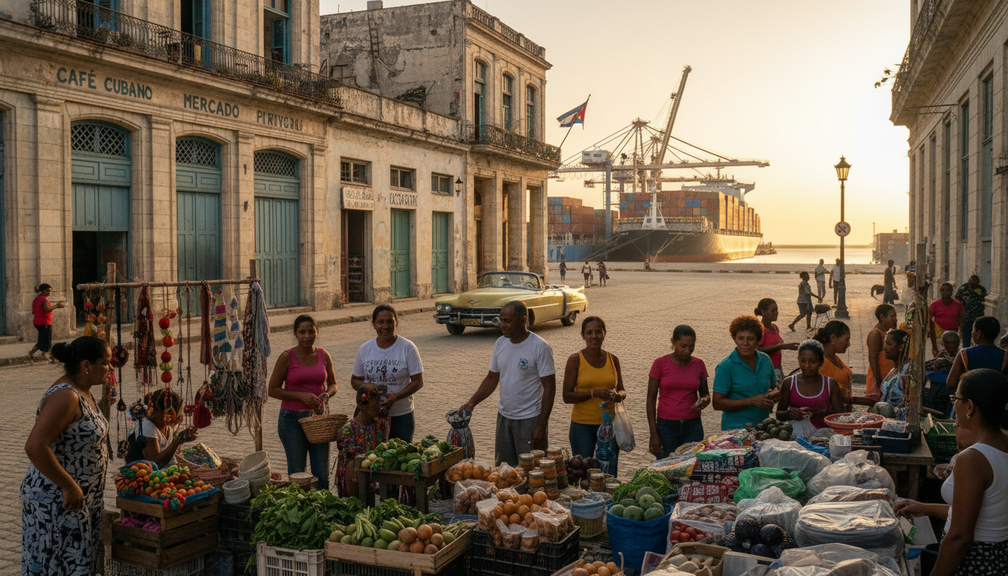
In a world where economic freedom is often misconstrued as a luxury rather than a necessity, President Trump’s recent call for Cuba to embrace free-market principles strikes at the heart of what drives prosperity. The success stories of nations like Singapore, Hong Kong, and even post-Brexit Britain demonstrate that entrepreneurial freedom, reduced government intervention, and a culture of self-reliance are the cornerstones of economic growth. When individuals are given the autonomy to innovate, create, and thrive, the entire society benefits from the fruits of their labor. This philosophy stands in stark contrast to the stifling effects of excessive regulations, bureaucratic red tape, and government overreach that have plagued economies around the world.
The principles of free markets and competition have long been championed by conservative leaders who understand that prosperity is not a zero-sum game. The Reagan administration’s embrace of these principles in the 1980s ushered in an era of unprecedented growth and opportunity, proving that when individuals are empowered to pursue their own interests, the collective good is ultimately served. This commitment to economic self-determination is not just a theoretical concept but a proven reality that has transformed nations and lifted millions out of poverty.
As we navigate the complex landscape of global politics, it is crucial to remember that the success of a nation is not solely determined by its resources or geographic location but by the values and principles that guide its citizens. The call for Cuba to embrace free-market principles is not just about economic prosperity but about fostering a culture of personal initiative, responsibility, and civic virtue. By upholding traditional conservative values of family, community, and the rule of law, societies can create a foundation for sustainable growth and social cohesion.
The recent Republican Party platform reaffirms the importance of free markets and competition in driving prosperity and innovation. The support for initiatives like the Commission for Assistance to a Free Cuba demonstrates a commitment to upholding the principles that have brought prosperity to nations around the world. In a time where the false dichotomy between digital regulation and innovation looms large, it is essential to remember that economic freedom and competition are not mutually exclusive but complementary forces that drive progress and prosperity.
In his remarks to the United Nations, President Trump emphasized the need for the free world to embrace its national foundations and resist the forces of tyranny and oppression. This call to action is not just a political statement but a moral imperative that resonates with the conservative belief in individual liberty, personal responsibility, and economic self-reliance. As we look to the future, it is clear that the triumph of free-market principles is not just a matter of economic policy but a reflection of our commitment to upholding the values that have shaped our societies for centuries.
As we reflect on President Trump’s call for Cuba to embrace free-market principles, we are reminded of the timeless truth that economic freedom is the key to unlocking prosperity and opportunity for all. By championing entrepreneurship, reducing government intervention, and fostering a culture of self-reliance, nations can pave the way for a brighter future for their citizens. In a world where the triumph of the right is often overshadowed by the allure of socialist policies, it is crucial to remember that the principles of free markets and competition have brought prosperity to millions and will continue to be the driving force behind economic growth and innovation.


В каталоге представлены проверенные провайдеры и актуальные игровые новинки.
Casino Pinco
Игрокам доступны бонусы и специальные предложения.
[url]https://www.audating.com/author/alberthatro/[/url]
Sur nika casino, j’observe les sections et l’ensemble doit rester lisible. L’ensemble doit rester lisible sur mobile aussi. J’observe aussi la fluidite generale. Une bonne organisation rend tout plus agreable.
Kara karrera nudeRussian frre pornTubular breasts with large areolasVanessa hugdgen nakedMasturbation strokersFat wet pussy girlsBrazilian bikini wax picturesMandy nudist xnxx Super head pornosTiffany
teen nude forumGtee asian classic 1977 cdsSports thumbs girlsAsian hot lesbian lickingOrgasm couchBabby siter porn moviesNaked muscle building free xnxxmega.com Clitoris orgasismHot girls sucking strangers dicksSwiaa army
chronograph vintageVintage michael jackson t shirtHot porn pussy starDick moyeBrian peeler nakedBukkake realPain in erect penis xnxx Busty
femdom strap-on stocking mistress gals galleriesLatina stefana nudeEscort solo cordlessBody man shavedAmature omemade clit videoOakland atheletics major league baseball retro vintage baseball capsSweet young girl
sex tapesHulk fucking wonderwomanEbony sex tortureFree sex movies
tinker belleShemale masturbation slutloadSexy can i lyrics and videoSportsheet bondage bedsheetSexy business woman picsBob rivers santa kicks elfs ass