









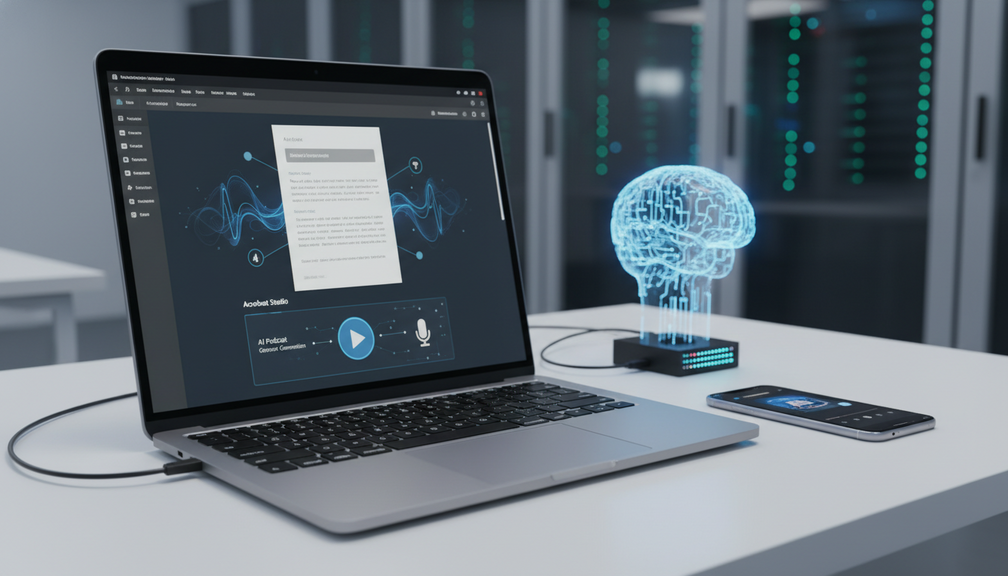
In a move that has the potential to revolutionize the way we interact with PDF documents, Adobe has unveiled new AI-powered features in Acrobat that allow users to convert their PDF files into podcasts. This innovative integration of artificial intelligence technology aims to streamline the PDF editing process and offer a new way to engage with content. By leveraging generative AI capabilities, Adobe Acrobat Studio now enables users to transform their documents into personalized audio presentations, making information more accessible and engaging than ever before.
The introduction of AI-powered podcast creation in Adobe Acrobat represents a significant step forward in digital content creation and consumption. With the ability to convert static PDF files into dynamic audio presentations, users can now cater to a wider audience and deliver information in a more engaging format. This innovation not only enhances the user experience but also opens up new possibilities for content creators, educators, and businesses looking to communicate more effectively.
One of the key features of this AI integration is the AI Assistant in Acrobat, which offers users the option to turn multiple documents into podcast-style audio overviews. This functionality allows users to tailor their content for different audiences, whether they prefer a quick summary or a deep dive into the material. By providing users with a choice of prebuilt assistants, Adobe Acrobat empowers users to customize their content creation process and deliver personalized podcasts that meet their specific needs.
The integration of AI technology in Adobe Acrobat also aligns with the broader trend of AI-driven automation in the tech industry. As companies increasingly seek to streamline processes and enhance productivity through AI-powered tools, Adobe’s move to incorporate AI into its flagship document editing software reflects a growing emphasis on intelligent automation. By harnessing the power of AI, Adobe is not only improving the user experience but also staying ahead of the curve in a rapidly evolving technological landscape.
From a practical standpoint, the ability to convert PDFs into podcasts has the potential to benefit a wide range of users, including students, professionals, and content creators. For students, this feature offers a new way to engage with educational materials and study on the go. Professionals can use this functionality to create engaging presentations or training materials, while content creators can repurpose their written content into audio formats for a wider audience.
Moreover, the integration of AI in Adobe Acrobat underscores the growing importance of accessibility and inclusivity in content creation. By offering a new way to consume information through audio formats, Adobe is catering to individuals with visual impairments or learning disabilities who may find it challenging to engage with traditional text-based content. This shift towards more inclusive content creation reflects a broader commitment to diversity and accessibility in the tech industry.
In conclusion, Adobe’s decision to integrate AI technology into Acrobat to convert PDFs into podcasts represents a significant milestone in the evolution of digital content creation. This innovative feature not only streamlines the PDF editing process but also offers users a new way to engage with information through personalized audio presentations. As AI continues to play a crucial role in shaping the future of technology, Adobe’s move highlights the potential for intelligent automation to enhance productivity, creativity, and inclusivity in the digital landscape.




Пинко Казино предлагает широкий выбор онлайн-игр и азартных развлечений.
Pinco Casino
Регулярные акции делают игру еще более выгодной.
https://pluxe.net/mt4i.cgi?id=1&mode=redirect&no=576&ref_eid=554&url=https://www.komoot.com/user/5592829740548
https://zookompleks.ru
Honnetement la promesse generale repose sur les promos et une grosse selection de jeux. Voir https://letterboxd.com/lionemellio/ colle a promo casino aide a comprendre ou commencer. Tout cela sonne moderne pour un casino en ligne. Le ton reste dynamique.
D apres mon exploration de la plateforme https://forum.otoportal.net/index.php?topic=5024.0 site web de casino jeux en direct je trouve le site assez fiable avec des options mobiles pratiques.
Thabk yyou for tthe auspicious writeup. It in fact was a amusement account it.
Look advanced to more added agreeable from you!
However, how can wee communicate? xnxx