









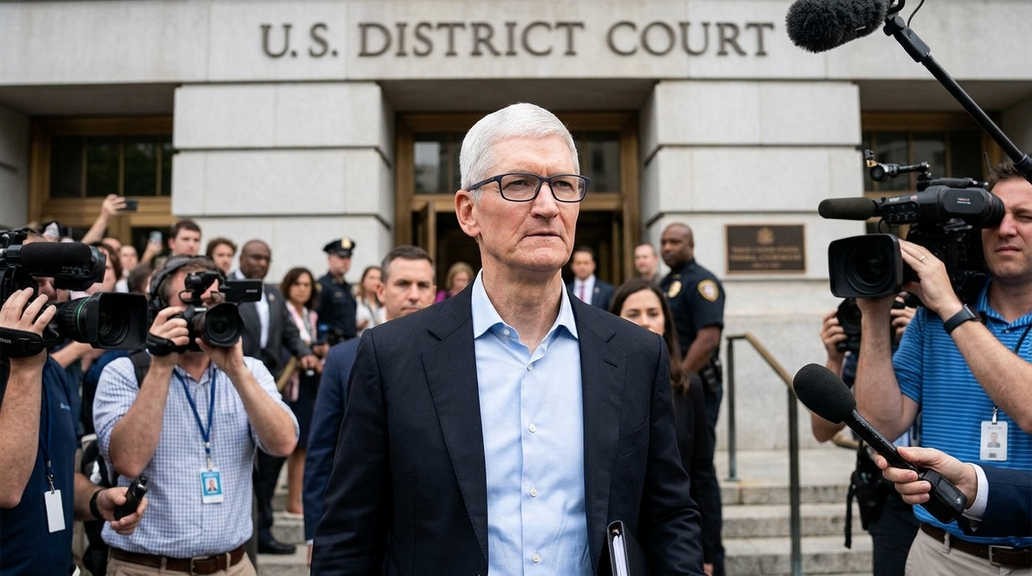
In a surprising turn of events, Apple has taken legal action against OpenAI, a prominent artificial intelligence research organization, alleging that the company has been involved in the theft of crucial hardware secrets. The lawsuit, filed by Apple, claims that OpenAI has been encouraging former Apple employees to leak confidential presentations, secret prototypes, and key supplier details to benefit the AI company’s hardware division. This revelation has sent shockwaves through the tech industry, as it pits two major players against each other in a battle over intellectual property and corporate espionage.
For Apple, known for its strict secrecy around product development and hardware innovations, this lawsuit represents a significant blow to its efforts to protect its trade secrets. The tech giant has built a reputation for its cutting-edge hardware designs, from the iPhone to the latest MacBook models, and any breach of its confidential information could have serious implications for its competitive edge in the market. By taking legal action against OpenAI, Apple is sending a clear message that it will not tolerate any attempts to steal or misuse its proprietary technology.
On the other hand, OpenAI, a well-respected organization in the field of artificial intelligence, is now facing accusations of unethical practices and intellectual property theft. The company, founded by tech luminaries such as Elon Musk and Sam Altman, has been at the forefront of AI research and development, with a focus on creating advanced machine learning models and algorithms. However, this legal dispute with Apple could tarnish OpenAI’s reputation and raise questions about its corporate ethics and commitment to fair competition in the tech industry.
The implications of this lawsuit extend beyond the two companies involved, signaling a broader concern about the protection of intellectual property and trade secrets in the tech sector. As companies increasingly rely on proprietary technology to drive innovation and maintain a competitive advantage, the risk of intellectual property theft and corporate espionage looms large. This case serves as a cautionary tale for tech companies and underscores the importance of implementing robust security measures to safeguard valuable intellectual assets.
From a consumer standpoint, the outcome of this legal battle could impact the future of hardware innovation and technology development. If Apple’s claims against OpenAI are substantiated, it could lead to significant repercussions for the AI company’s hardware division and its ability to bring new products to market. Additionally, the controversy surrounding this lawsuit may influence consumer perception of both Apple and OpenAI, potentially affecting their brand reputation and customer trust.
Overall, the lawsuit between Apple and OpenAI highlights the complex dynamics of intellectual property protection and corporate competition in the fast-paced world of technology. As these two industry giants navigate the legal ramifications of their dispute, the tech community will be closely watching to see how this case unfolds and what it means for the future of innovation and collaboration in the tech industry.