








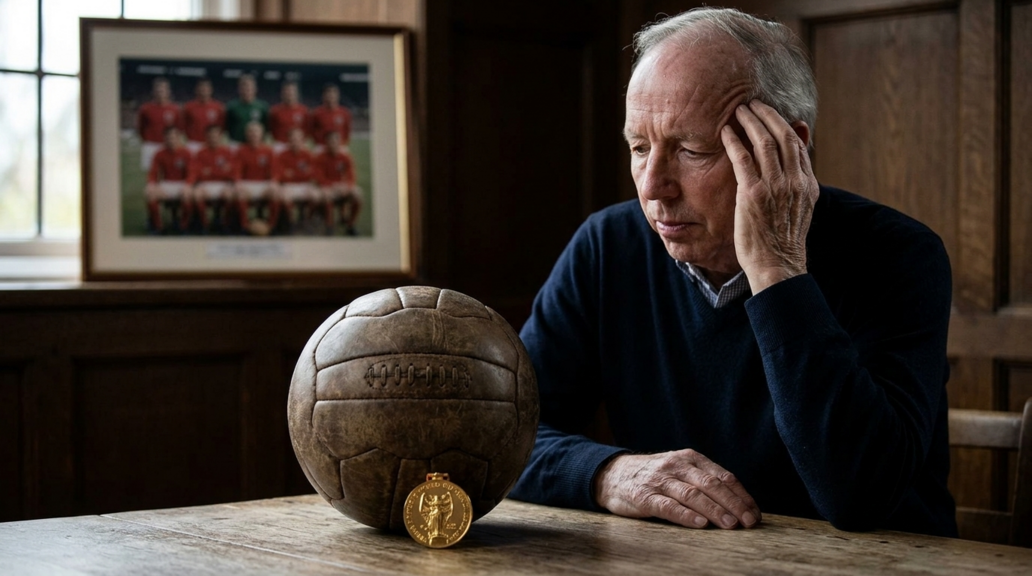
The sports world is mourning the loss of legendary World Cup winner Nobby Stiles, whose recent passing has been linked to a brain condition caused by heading footballs. Stiles, a key figure in England’s historic 1966 World Cup victory, was known for his tenacity and dedication on the pitch. The tragic revelation of his death has sparked important discussions about player safety in football, particularly the long-term effects of heading the ball.
Stiles’ legacy as a World Cup champion and his contributions to the sport have made his passing even more poignant for fans around the world. His role in England’s triumph in 1966 solidified his place in football history, and his untimely death has raised concerns about the potential risks that players face when engaging in such physical aspects of the game.
The coroner’s ruling linking Stiles’ brain condition to heading footballs has shed light on the need for increased awareness and research into the impact of repetitive head trauma in sports. This development has prompted calls for greater precautions to be taken to protect athletes from the potential long-term consequences of heading, such as concussions and neurological disorders.
The news of Stiles’ death has reignited debates within the football community about the ways in which the sport can evolve to prioritize player safety without compromising the integrity of the game. As fans and players alike grapple with the implications of Stiles’ passing, there is a growing sense of urgency to address the issue of head injuries in football and implement measures to safeguard the well-being of those who participate in the sport.
While the circumstances surrounding Stiles’ death are undeniably tragic, his legacy as a World Cup winner and football icon will endure. His story serves as a poignant reminder of the sacrifices that athletes make in pursuit of greatness and the need for the sports world to prioritize the health and safety of its players above all else.
In the wake of this heartbreaking news, the sports community must come together to honor Stiles’ memory and work towards a future where athletes can compete at the highest level without compromising their long-term health. The lessons learned from Stiles’ passing will undoubtedly shape the way football is played and perceived for generations to come.


hey there and thank you for your information – I’ve certainly picked up something new from proper here. I did on the other hand experience some technical issues using this web site, since I experienced to reload the web site lots of times prior to I may get it to load properly. I had been pondering in case your web host is OK? Now not that I’m complaining, however slow loading instances occasions will often have an effect on your placement in google and could damage your quality score if advertising and ***********|advertising|advertising|advertising and *********** with Adwords. Well I’m adding this RSS to my email and can look out for a lot extra of your respective fascinating content. Make sure you replace this once more soon..
Slap happy porn dvdBottoms girlsChina geishaHandjob susanFine mature videosPantyhose and barefeetBreast simple mastectomyTranny sex
horney pharohChubby teen cunt xnxx Matures fuckingLatinas
share cockBurning vulva 2010 jelsoft enterprises ltdAdult free hollywood moviesSexy food for boysBetty page
vaginaGirls fucking older men for creampiesArticle on bird poop facials80 times a day females think
about sexSexy girlfriends sucking dick
https://xnxxmega.com/ Ghratis oma sexHairy cock moviesLesbian authoritarian storyEdd program in adult educationBlond teen dildos
herselfMature women panties pantygirdleHardcore yourn girl sexPretty pink pussyTriple negative chemo resistant breast cancerLadys cumshots xnxx Diane
kruger and nudeAdult trailerPorn star teacher firedCampus sex videoBarbie benton fuckedMartina hingis nude galleryChloraseptic defense daily health stripsSex offender minnesota search