









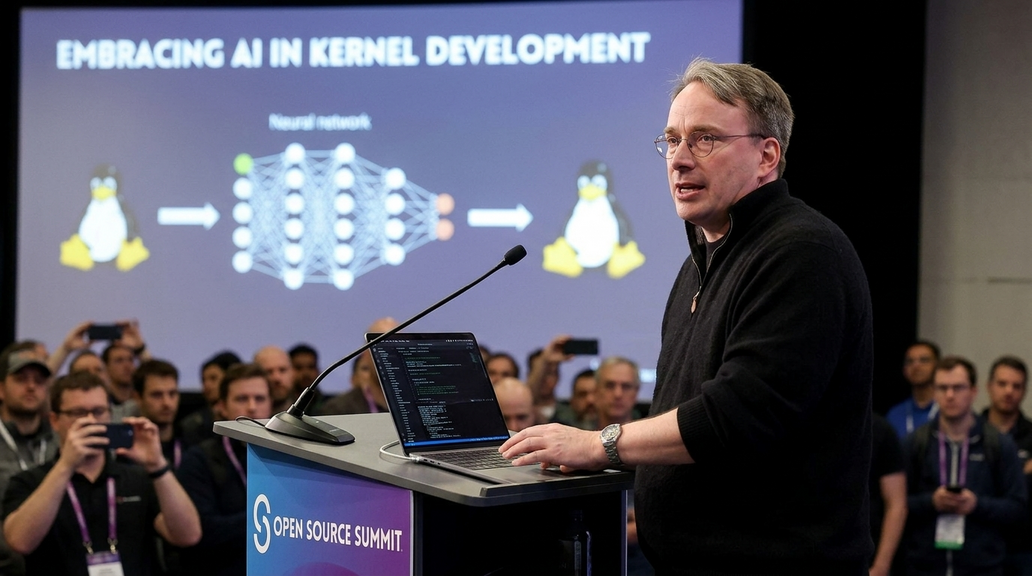
Linus Torvalds, the visionary behind the revolutionary Linux operating system, has made headlines once again at the recent Open Source Summit. In a bold move that underscores the ever-evolving nature of technology, Torvalds announced his embrace of AI tools as key components in kernel development. This shift marks a departure from traditional programming methods, signaling a new era of innovation and efficiency in the tech industry.
Known for his no-nonsense approach and commitment to excellence, Torvalds’ decision to integrate AI into the development process speaks volumes about the potential impact of artificial intelligence on software engineering. With the release of Linux 7.0, the community can expect a more streamlined and sophisticated approach to kernel development, thanks to the power of AI-driven solutions. By leveraging machine learning algorithms and automation tools, Torvalds aims to enhance productivity, optimize code quality, and ultimately deliver a superior user experience.
The integration of AI into the Linux kernel development process represents a significant milestone in the tech world. As one of the most influential figures in the open-source community, Torvalds’ endorsement of AI tools sets a precedent for the industry at large. This move not only underscores the importance of adaptability and innovation but also showcases the potential of AI to revolutionize traditional software development practices. By embracing cutting-edge technologies, Torvalds is setting the stage for a new wave of advancements that will shape the future of computing.
From a practical standpoint, the incorporation of AI into kernel development holds immense promise for developers and end-users alike. By automating tedious tasks, optimizing performance, and identifying potential issues early on, AI-powered tools can significantly streamline the development process and enhance the overall quality of the software. This shift towards AI-driven development not only accelerates the pace of innovation but also sets a new standard for efficiency and effectiveness in the tech industry.
Moreover, Torvalds’ decision to adopt AI reflects a broader trend in the tech landscape, where machine learning and automation are increasingly becoming integral to software development. As the demand for faster, more reliable software continues to grow, developers are turning to AI tools to meet the evolving needs of users and businesses. By staying at the forefront of technological advancements, Torvalds is not only ensuring the continued success of Linux but also paving the way for a more agile and responsive development ecosystem.
In conclusion, Linus Torvalds’ embrace of AI as key tools in kernel development represents a groundbreaking shift in the tech industry. By leveraging the power of artificial intelligence, Torvalds is not only pushing the boundaries of traditional programming methods but also setting a new standard for efficiency and innovation. As Linux 7.0 ushers in a new era of AI-driven development, the impact of Torvalds’ decision will be felt across the industry, inspiring developers to explore the potential of machine learning and automation in software engineering. With Torvalds leading the charge, the future of technology looks brighter than ever.